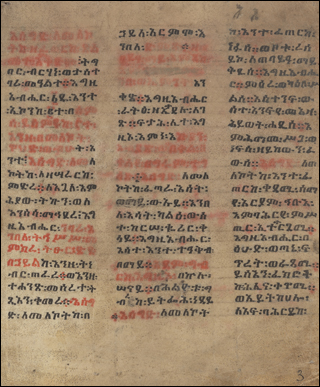
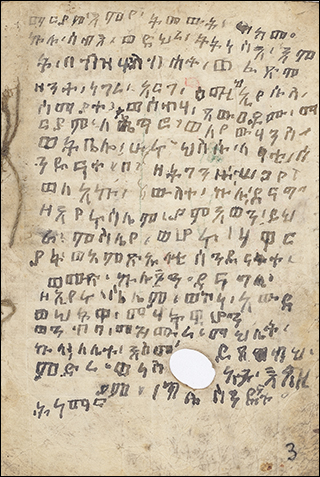
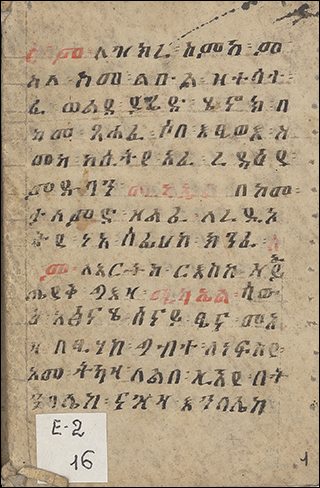
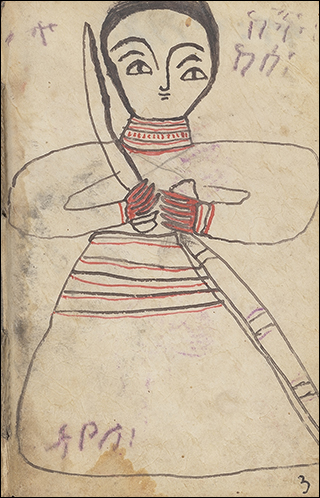
Comb.F.21, Effigy of Raguele, Effigy of Fanuele, Prayers (19th-20th C)
Item 143 in the Raineri catalogue, misidentified as Comb.F.20
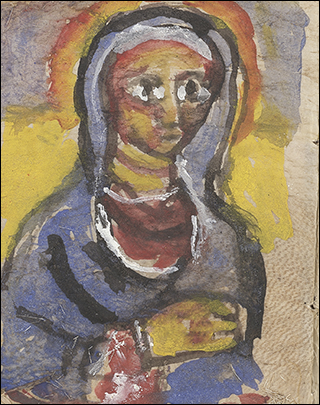
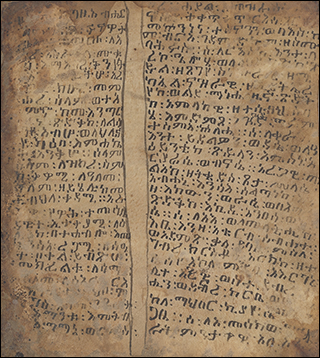
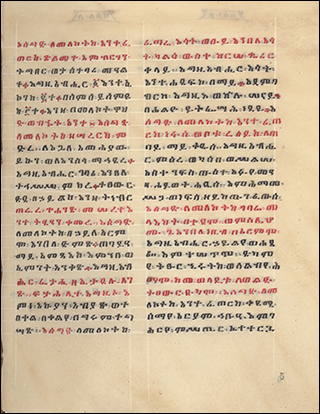
Comb.F.25, Miracles of Mary, Miracles of Michael, Miracles of the Trinity, Miracles of Jesus (20th C)
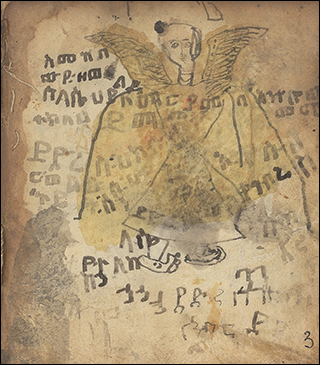
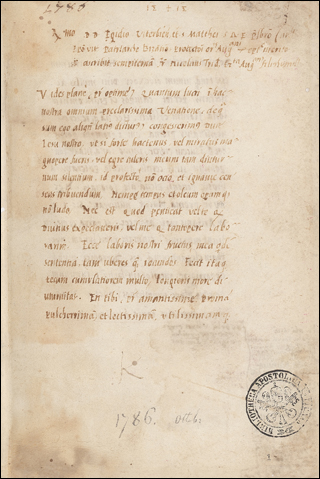
Ott.lat.1786, Nicolai Tridentini Miscellany
Incipit: R[everentissi]mo D.D. Eqidio Viterbien[sis] et s. matthei S.R.E.
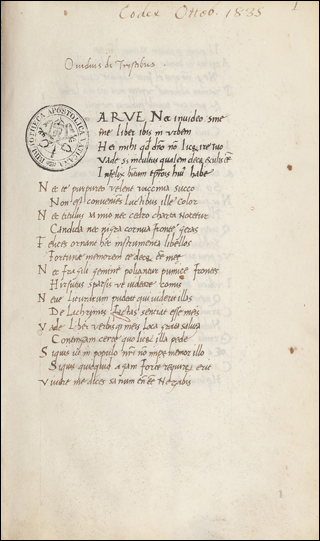
Ott.lat.1835, Ovid Tristia (1475-1500)
Incipit: Ouidius de Tristibus. [P]arve Nec inuideo sine
See Biblissima, scribe: student of Pomponio Leto
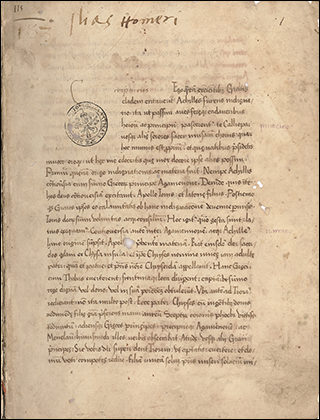
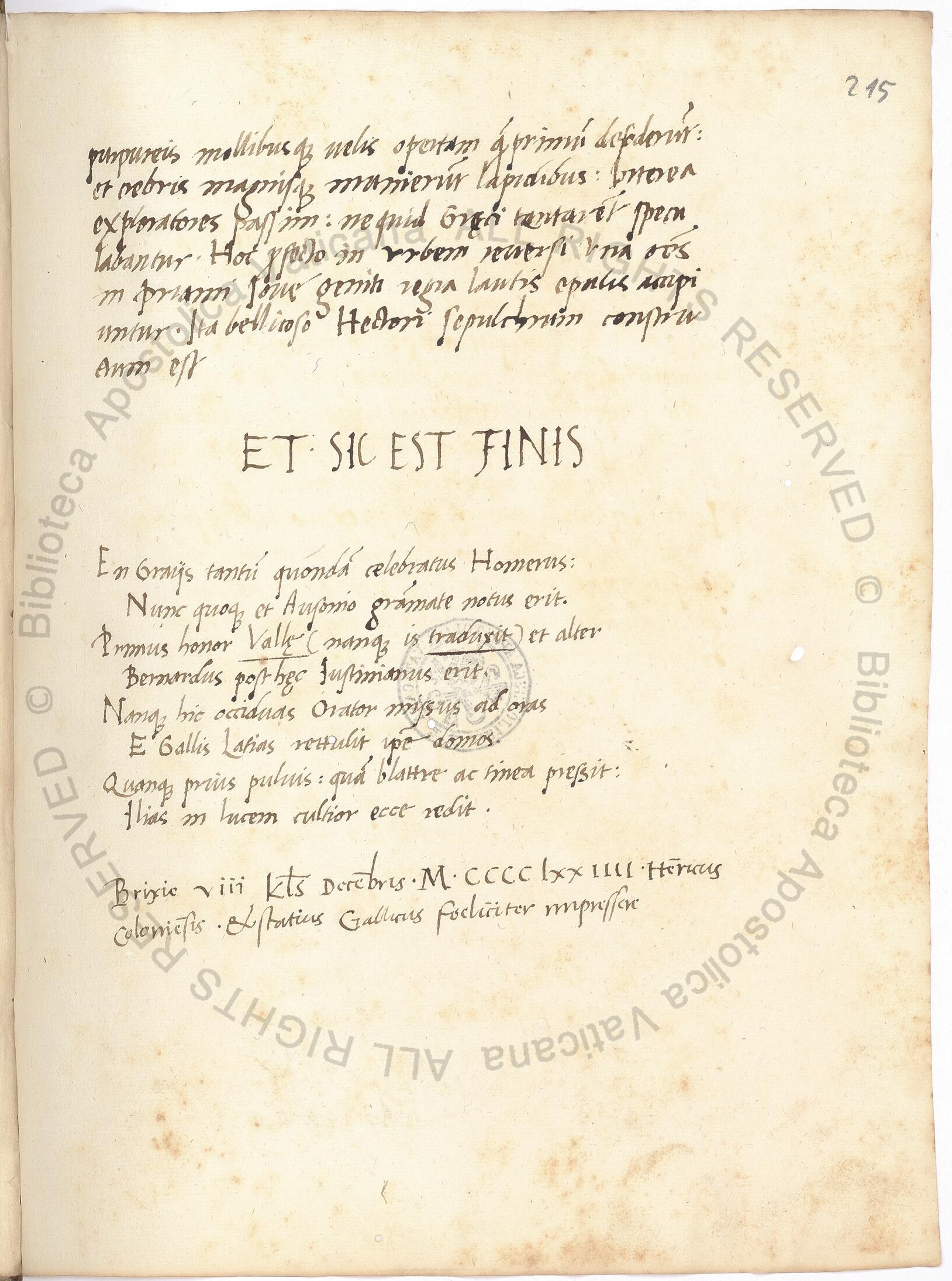
Ott.lat.1874, Homer, Lorenzo Valla (tr) Iliad (tr) (1474)
Incipit: [S]cripturus Ego q[uan]ta exe[r]citib[us] Graiis cladem excitauerit Achillis
Scribe: Henricus Colonensis from Colophon on f.215r
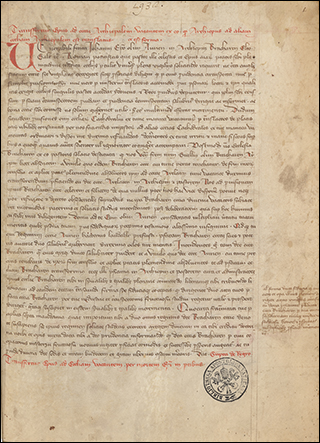
Ott.lat.1932, Brevia quaedam Apostolica de Rebus Beneficialibus
Incipit: Transfertur Ep[iscop]us ad ecc[lesi]am Archiep[iscip]alem Vacantem ex eo
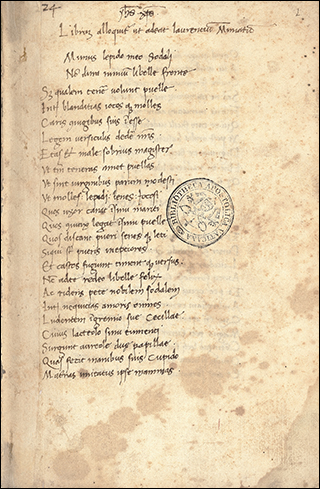
Ott.lat.1958, Carmina Lyrica (15th C)
Incipit: (f/1r) Libror[um] alloquis ut adecit laurentuo Miniatio
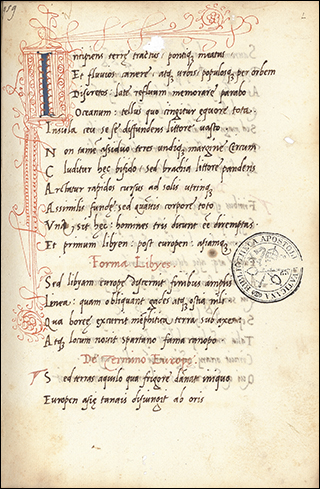
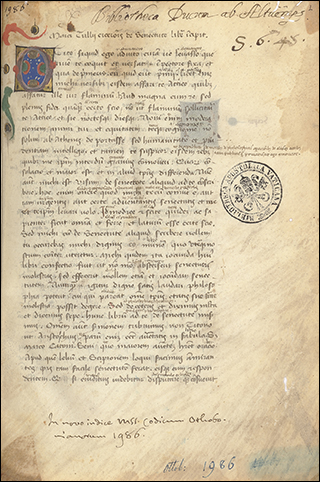
Ott.lat.1986, Cicero De senectute, De amicitia (15th C)
Incipit: Marci Tullii cicero[n]is de Senectute lib[er] i[n]cipit
See Biblissima,
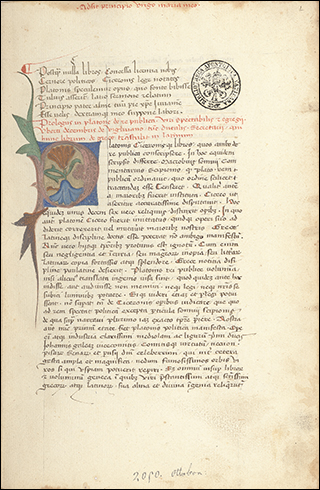
Ott.lat.2050, Plato De Republica (tr) (15th C)
Incipit: Postq[ue] nulla libros Concessa licentia nobis
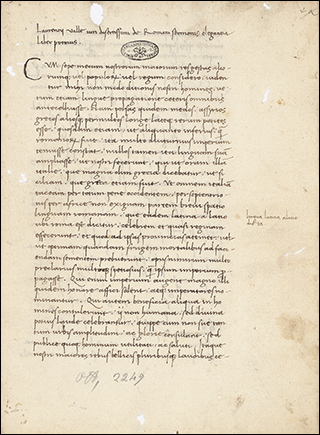
Ott.lat.2249.pt.1, Lorenzo Valla De Linguae latinae elegantia, Books I-IV (15th C)
Incipit: Laurentii Valle uiri disertissimi de Romani sermonis elegantia Liber primus
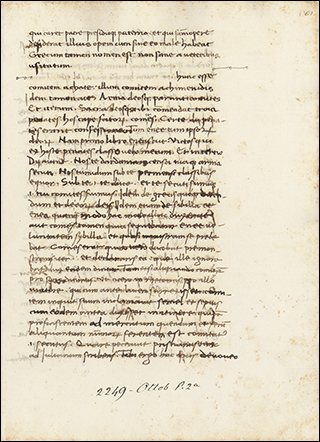
Ott.lat.2249.pt.2, Lorenzo Valla De Linguae latinae elegantia, Book VI, De reciprocatione sui et suus. (15th C)
Incipit: (f.161r) qui caret patre presidioq[ue] peterno et qui su[m]mopere
Starts on f.161r
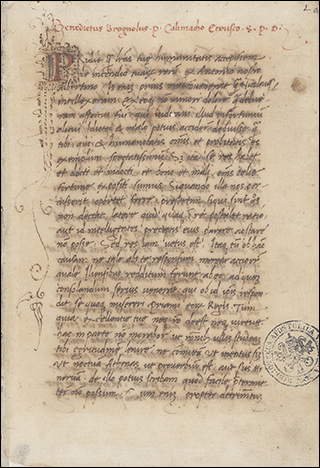
Ott.lat.2280 (Upgraded to HQ), Callimachi Etrusci, Aemilii Buccabellae, Camilli Bene, Fausti Foroliviensis Historia de Rege Vladislao, Carmina, Epigrams, de XII articulis Fidei epigramma (15th C)
Incipit: Benedictus Brognolus p. Calimacho Etrusco S.P.D. Pridis q[uam] l[itte]ras
See Pieniądz, A., Kaliszuk, J., Skwierczyński, K., & Węcowski, P. (2019). Clavis scriptorum et operum Medii Aevi Poloniae. Homini, Tyniec Wydawnictwo Benedyktynów. link
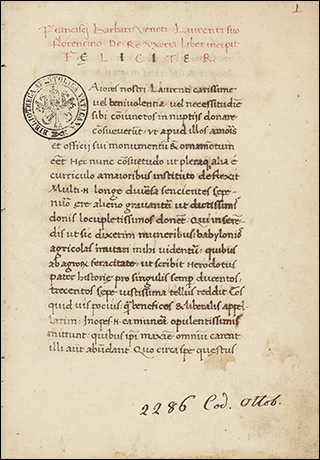
Ott.lat.2286, Francisci Barbari De re uxoria (15th C)
Incipit: Francisci Barbari Veneti Laurenti suo florentino De Re Vxoria Liber incipit Fæliciter. [M]aiores nostri Laurenti carissime uel beniuolentia
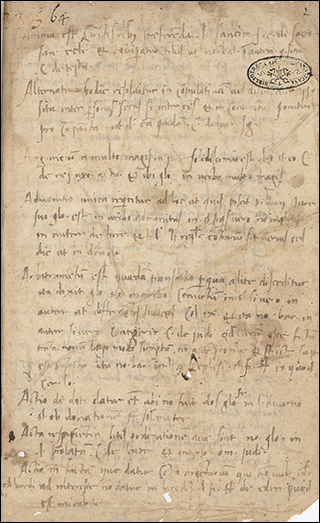
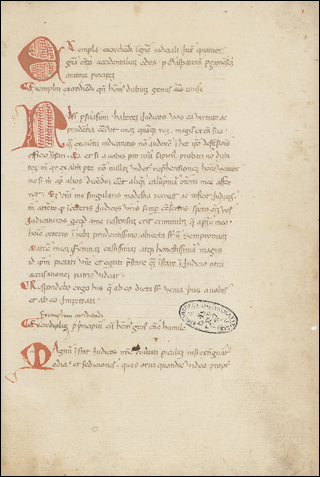
Ott.lat.2293, Gaspini Barzizza Orationes et sermones, etc (15th C)
Incipit: (f.1r) Exempla exordie[n]di i[n] g[e]n[er]e
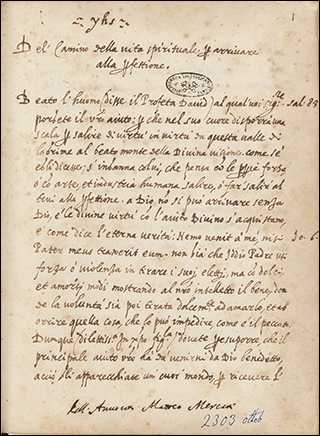
Ott.lat.2303, (17th C)
Incipit: (p.1) Del Camino della uita spirituale p[er] arriuare alla p[er]fettione
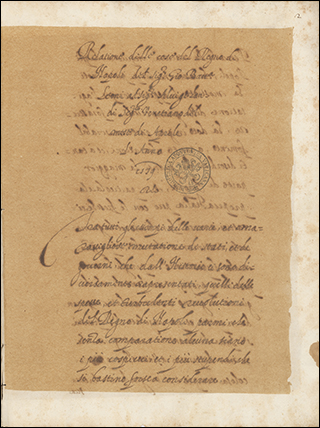
Ott.lat.2309, Relazione delle cose del Regno di Napoli... (16th C)
Incipit: (f.2r) Relatione delle coso del Regno di Napoli des sig[nore] Gio. Batt[ista] Leoni ad Sig[nor] Aluigi Lan. di Seg[retario] Venetiano
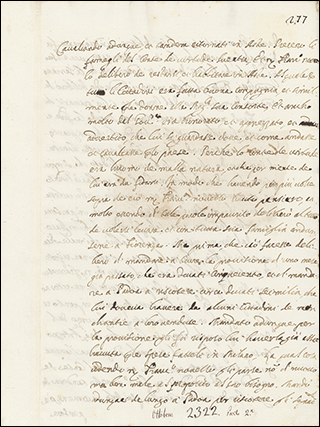
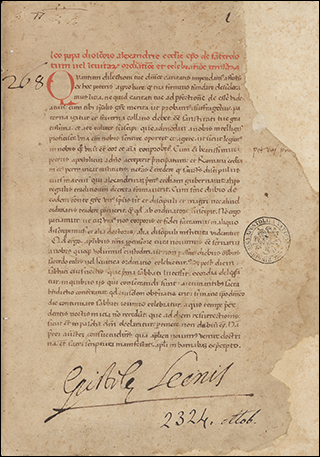
Ott.lat.2324, Pope Leo (?) Epistles and Writings (15th C)
Incipit: Leo papa dioscoro alexandrie eccl[es]ie ep[iscop]o de saterdo-tum uel leuitar[um] ordi[n]atio[n]e et celebratio[n]e
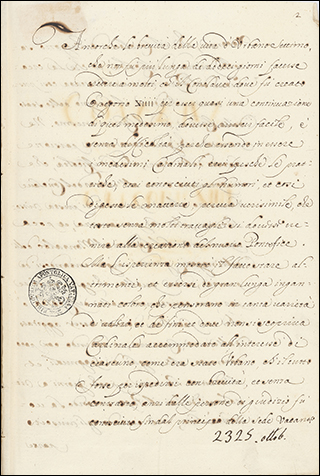
Ott.lat.2325, Conclave nel quale su creatio Papa Gregorio XIV (17th C)
Incipit: (f.2r) Ancorche la breuita della uita d'Vrbano Settimo
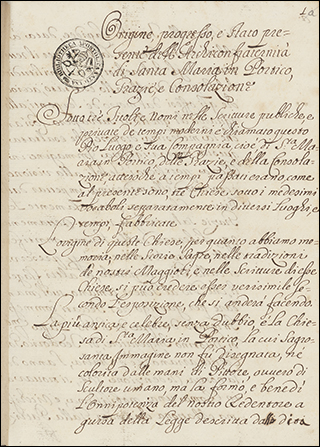
Ott.lat.2408, Origine, Progresso, e stato presente dell' Archiconfeaternita di S. Maria in Portico (18th C)
Incipit: Origine, progresso, e stato pre-sente dell' Archiconfraternita di Santa Maria in Portico